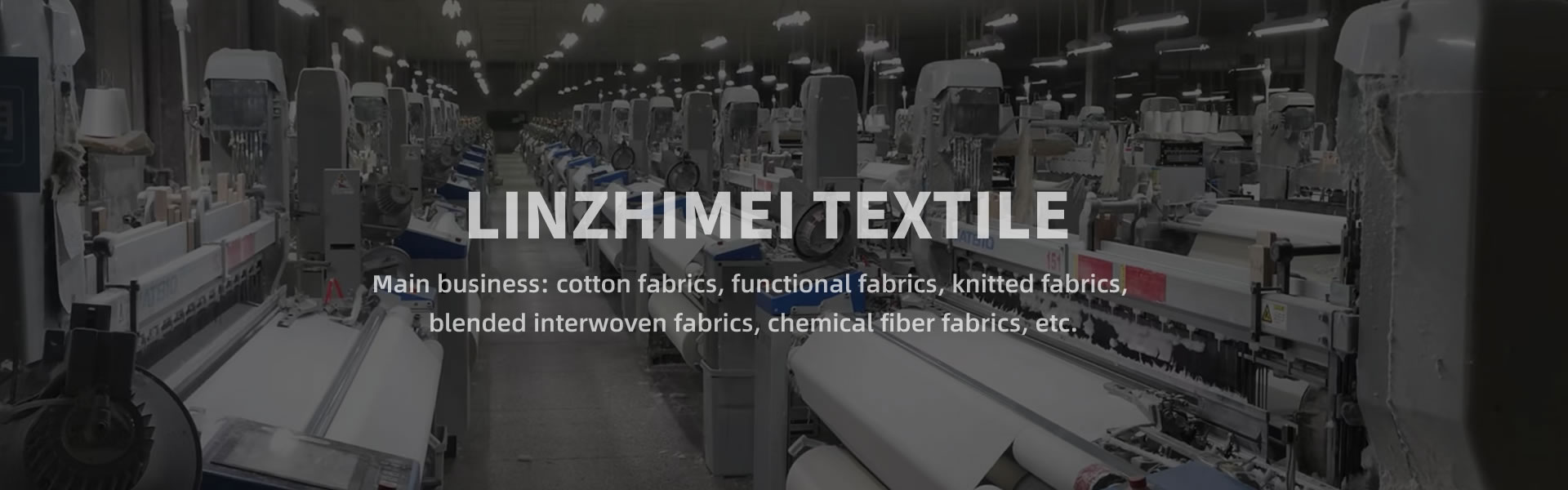
At present, woven fabrics are basically produced using looms in the form of shuttle. During the production process, the yarns are interlaced in the warp and weft directions. The organization of woven fabrics generally includes three categories: plain weave, twill weave and satin weave, as well as their changing weaves. Classification from the composition includes cotton fabrics, silk fabrics, wool fabrics, linen fabrics, chemical fiber fabrics and their blends and interwoven fabrics, etc.
In the current clothing market, woven fabrics are obviously superior to other fabrics in terms of category and production quantity. In fact, the clothing made of this kind of fabric will have many differences due to differences in style, technology, style and other factors. In addition, the differences in processing procedures and technological means will show great differences.
For now, the production process of woven fabric clothing can be summarized as follows: factory inspection of surface accessories → technical preparation → cutting → sewing → keyhole buttoning → ironing → garment inspection → packaging → warehousing or shipping. Generally, after the fabrics enter the market, the quantity must be counted, and the appearance and intrinsic quality of the fabrics must be checked. Only those that meet the production requirements can be put into production. Before mass production, technical preparations must first be carried out, including the formulation of process sheets, samples and sample garment production. Only after the sample garments are confirmed by the customer can the next production process be entered.
Next, the selected woven fabrics will be cut and sewn into finished products or semi-finished products. For example, after some woven fabrics are made into semi-finished products, they must be processed according to special process requirements, such as garment washing, garment sand washing, wrinkle effect processing, etc., through the keyhole buttoning auxiliary process and the ironing process, and then inspected. After passing the test, it will be packed and put into storage.
In the processing process, cutting is also a very important link. Usually when cutting woven fabrics, you need to draw a layout diagram based on the template in advance. "Completeness, reasonableness, and economy" are the basic principles of cutting woven fabrics.